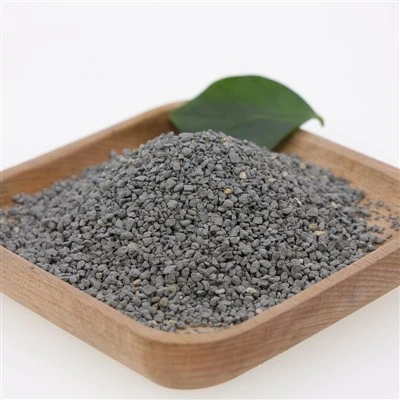
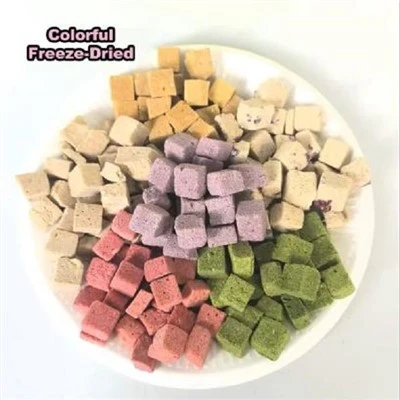
Cat litter is a toileting product designed for domestic cats, primarily used to absorb urine and mask the odor of waste. It comes in a wide variety of materials; common types include bentonite, silica gel, wood shavings, paper pulp, corn, and tofu. Each material has unique characteristics, catering to the diverse needs of pet owners and their cats.
Bentonite Cat Litter
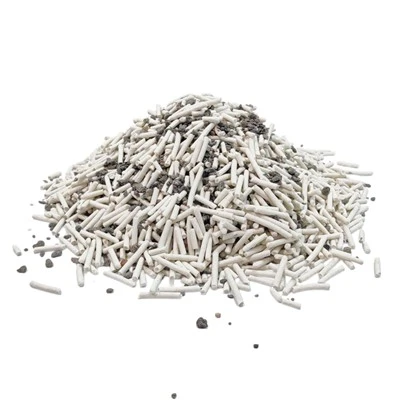
Bentonite cat litter is the most common type, typically made from natural bentonite minerals (such as montmorillonite). Its standout features are strong water absorption and excellent clumping capabilities.
Silica Gel Cat Litter
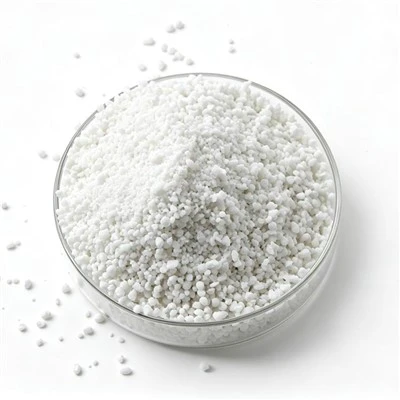
Made from silicon dioxide (SiO2), silica gel cat litter is highly hygroscopic. It quickly absorbs urine and locks in moisture while effectively eliminating odors; notably, it generally does not form clumps.
Wood Shaving Cat Litter
Wood shaving cat litter is made from wood-usually processed pine or other hardwood shavings formed into pellets. Its advantages include being natural, eco-friendly, and biodegradable; used litter can be added directly to compost.
Paper Pulp Cat Litter
Typically manufactured from waste paper or recycled pulp, this type of litter offers good absorbency, quickly soaking up urine and providing some odor control.
Corn Cat Litter
Corn cat litter is made from natural corn; it usually utilizes processed corn starch granules to absorb moisture.
Tofu Cat Litter
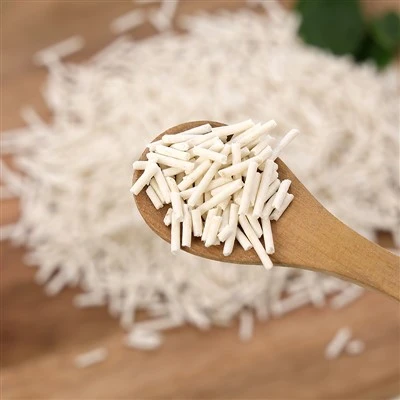
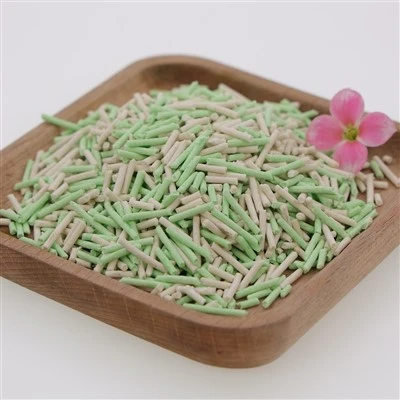
Tofu cat litter has gained popularity in recent years and is primarily made from tofu dregs (okara) and natural plant fibers. It is eco-friendly, non-toxic, and biodegradable, allowing for easy disposal via flushing down the toilet or composting.
With such a wide range of materials available, each type of cat litter has its own set of pros and cons. Owners can make their choice based on factors such as their cat's health, the litter's absorbency, odor control, environmental impact, and price. Regardless of the type chosen, safety, comfort, and ease of cleaning remain the most important considerations.